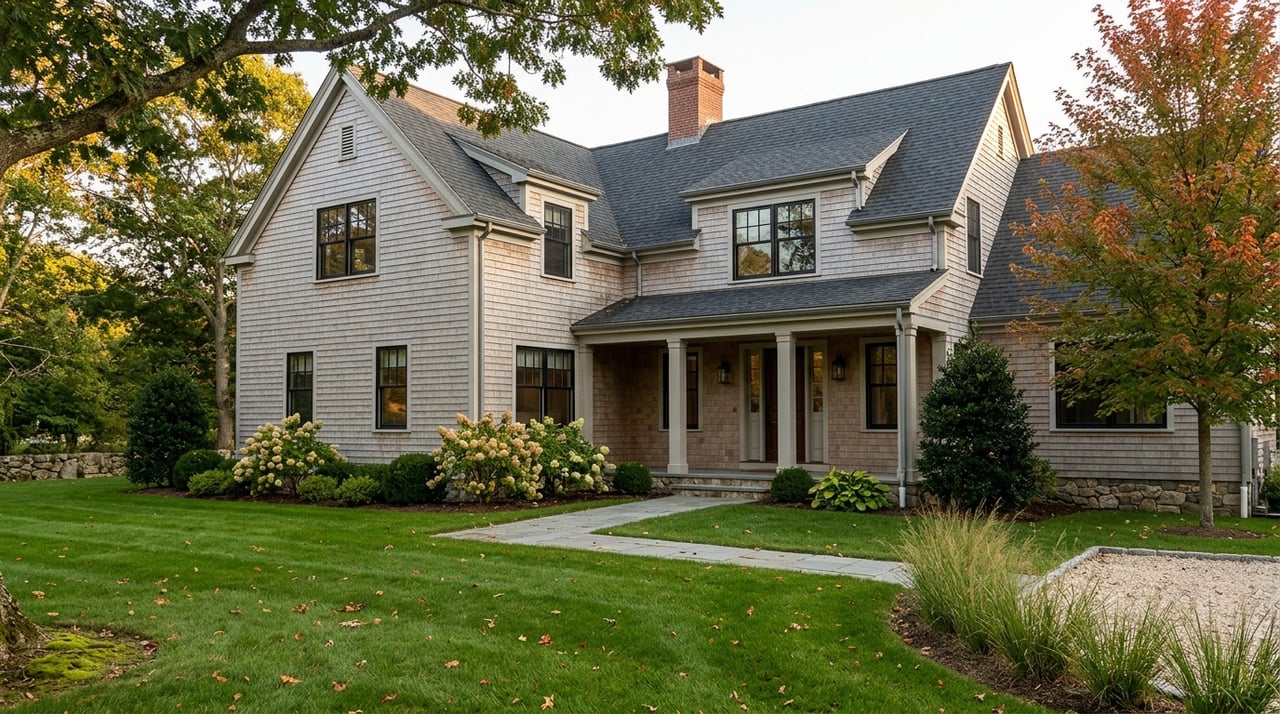
Wondering if Ridgefield is the right place to buy your next home? If you want a town with a true Main Street, a strong arts presence, and easy access to outdoor spaces, Ridgefield deserves a close look. For many buyers, the challenge is figuring out how the day-to-day lifestyle actually feels once you move beyond the listing photos. This guide will help you understand what living in Ridgefield is like, what to expect from the housing market, and how to decide whether it fits your goals. Let’s dive in.
What Life Feels Like in Ridgefield
Ridgefield is a central Fairfield County town with about 25,000 residents. The town is known for its historic Main Street, residential feel, and location about an hour north of New York City. If you are looking for a place that feels more self-contained than a denser commuter suburb, Ridgefield stands out.
Day-to-day life here tends to center around a classic town core, with more car-based living once you move outside downtown. That balance is part of Ridgefield’s appeal. You get a real downtown identity without giving up the quieter, more wooded setting many buyers want.
Downtown Ridgefield and Local Amenities
One of Ridgefield’s biggest lifestyle advantages is its downtown. Main Street and East Ridge Road bring together restaurants, boutiques, and a notable group of arts and cultural destinations. That gives the town a more active and distinctive center than many purely residential communities.
Local highlights include the Aldrich Contemporary Art Museum, Ridgefield Playhouse, ACT of Connecticut, the Prospector Theater, Keeler Tavern Museum, and nearby Weir Farm. These are part of the rhythm of town life, not just occasional attractions. For a homebuyer, that can mean more to do close to home throughout the year.
Why the arts matter here
Ridgefield Playhouse hosts performances year-round, and ACT of Connecticut adds live theater in town. The Prospector Theater sits in the heart of historic Ridgefield, while Keeler Tavern preserves local history on a four-acre site. The Aldrich adds a contemporary art presence in a restored historic Main Street building.
Together, these venues create a small-town arts district feel. If you want a town where weekends can include dinner downtown, a museum visit, or a live performance, Ridgefield offers that kind of variety.
Parking and getting around downtown
If you plan to spend time downtown, parking is worth understanding. The Ridgefield Parking Authority manages parking in the Central Business District, and the town-owned Governor Street lot offers all-day free parking. That is a practical plus for errands, dining, or attending events.
At the same time, Ridgefield is not built like a dense city center. You can enjoy a walkable downtown experience in the core, but most daily routines still involve driving.
Outdoor Living in Ridgefield
Ridgefield also appeals to buyers who want more access to nature. The town highlights walking trails, parks, lakes, a golf course, and country roads for biking. That outdoor profile is a major part of the lifestyle.
Town planning documents also point to a broad recreation network, including a recreation center, playgrounds, trails, Martin Park beach, athletic fields, tennis and basketball courts, camping areas, a skateboard park, a Bark Park, indoor pools, and a public golf course. For buyers comparing Fairfield County towns, that is a meaningful mix of amenities.
Weir Farm and open space
A unique local asset is Weir Farm National Historical Park. Its grounds and trails are open daily year-round from sunrise to sunset, and the adjacent Weir Preserve adds a 110-acre trail network. The park is fee-free year-round, which makes it an easy part of everyday life for residents.
If you want a home base that feels greener and less built-up, Ridgefield has a lot to offer. It is a good fit for buyers who want outdoor access without giving up a recognizable town center.
Commuting From Ridgefield
Ridgefield can work well for buyers who need regional access, but it helps to understand the commute setup. The town’s public transit options include commuter rail, bus, shuttle, and paratransit. Branchville station is Ridgefield’s Metro-North stop on the Danbury Branch.
This is important because Ridgefield is not a rail-first town. If train access is part of your plan, expect a more managed parking setup at Branchville rather than the larger, more abundant commuter parking you may see in bigger rail hubs.
What that means for buyers
If you commute regularly, your home search should factor in drive time to the station, parking logistics, and how often you expect to be in town versus on the road. Some buyers love Ridgefield because it gives them a more measured pace while still keeping train access available. Others may prefer a town with a more rail-centered layout.
This is where local guidance matters. Your ideal location within Ridgefield may depend as much on your weekly routine as on the house itself.
Ridgefield Housing Market Snapshot
Ridgefield sits in the middle-to-upper tier of Fairfield County pricing. In spring 2026, Redfin reported a median sale price of about $960,000, with homes taking about 108 days on market in April 2026 trend data. Active listings showed 55 homes for sale.
That market position tells you a few things. First, Ridgefield is not an entry-level market by most standards. Second, it has been moving at a more measured pace than some of the county’s faster luxury markets.
What types of homes you may find
The local mix includes classic single-family homes along with lower-maintenance options such as ranch-style condos and 55-plus communities. The town also has senior-oriented public housing through the Ridgefield Housing Authority.
For buyers, that means Ridgefield is not just one kind of market. You may be able to choose between a traditional house, a simplified ownership option, or a home that better fits a later-life stage.
How Ridgefield Compares Nearby
If you are deciding between several Fairfield County towns, Ridgefield often lands in a useful middle ground. It is substantially pricier than Danbury, where the median sale price was about $467,000. It is also above the overall Fairfield County median of about $690,000.
At the same time, Ridgefield is generally less expensive and less fast-moving than Wilton and New Canaan. Wilton was about $1.46 million with a 25-day median market time, while New Canaan was about $1.56 million with a 22-day median market time.
Quick comparison
| Town | Median Sale Price | Median Days on Market |
|---|---|---|
| Ridgefield | About $960K | About 108 days |
| Danbury | About $467K | About 48 days |
| Fairfield County | About $690K | About 36 days |
| Wilton | About $1.46M | About 25 days |
| New Canaan | About $1.56M | About 22 days |
This helps frame Ridgefield’s position. If you want a historic, arts-oriented, semi-rural town with a strong downtown and a somewhat slower pace than the county’s hottest upper-end markets, Ridgefield may hit the sweet spot.
Who Ridgefield Fits Best
Ridgefield tends to appeal to buyers who value character, culture, and open space. If you want more than a bedroom community, the town’s arts institutions and village-centered downtown can be a real draw. If you also want trails, parks, and a more wooded setting, Ridgefield checks those boxes too.
It may be especially appealing if you are relocating within Fairfield County and want a different pace, or if you are buying your first home and want a town with a clear identity. The key is making sure the price point, commute pattern, and housing options line up with your needs.
How to Shop Smart in Ridgefield
When you start looking at homes in Ridgefield, it helps to focus on lifestyle fit as much as square footage. A beautiful house may not feel like the right match if the commute is harder than expected or if you hoped for more access to downtown and trails. Buying with the full picture in mind usually leads to a better long-term decision.
A smart search often includes:
- Comparing different parts of town based on commute and daily routines
- Visiting downtown at different times of day
- Exploring nearby parks, trails, and recreation areas
- Looking at both single-family and lower-maintenance options if flexibility matters
- Watching how pricing and time on market affect your negotiation strategy
Ridgefield is a town where details matter. The right home is not just about the property. It is also about how the location supports the life you want to build.
If you are thinking about buying in Ridgefield, having a calm, local guide can make the process much easier. From comparing home types to weighing commute tradeoffs and pricing realities, Gregg Leonard can help you make a smart move with clear, steady advice.
FAQs
What is the lifestyle like for homebuyers in Ridgefield, CT?
- Ridgefield offers a residential, small-town feel with a historic Main Street, a strong arts presence, and broad access to parks, trails, and outdoor recreation.
How expensive is the Ridgefield, CT housing market?
- Spring 2026 data put Ridgefield’s median sale price at about $960,000, which is above both Danbury and the Fairfield County median.
Does Ridgefield, CT have a walkable downtown?
- Ridgefield has a true town-center downtown with shops, restaurants, and cultural venues, but most daily life outside the core is still car-based.
Is Ridgefield, CT good for outdoor recreation?
- Ridgefield has walking trails, parks, lakes, a public golf course, recreation facilities, and access to Weir Farm National Historical Park and the adjacent Weir Preserve trail network.
How does commuting work from Ridgefield, CT?
- Ridgefield’s transit options include commuter rail, bus, shuttle, and paratransit, with Metro-North access at Branchville station on the Danbury Branch.
How does Ridgefield, CT compare with Danbury, Wilton, and New Canaan?
- Ridgefield is generally more expensive than Danbury, but less expensive and less fast-moving than Wilton and New Canaan, while offering a historic downtown and semi-rural character.