Wondering what daily life in Newtown, CT actually feels like before you buy? That question matters, especially when a town looks great on paper but your real decision comes down to commute patterns, errands, recreation, and the kind of home life you want week after week. If you are considering Newtown, this guide will help you picture the rhythm of the town, the housing you are most likely to find, and how the community is set up for everyday living. Let’s dive in.
Newtown Has a Village Feel
Newtown is a scenic town in Fairfield County with an estimated 2025 population of 28,183 and a land area of 60.38 square miles. It sits about sixty miles from New York City and includes the Borough, Sandy Hook, Hawleyville, Botsford, and Dodgingtown. That layout gives Newtown a spread-out, village-based feel rather than one dense downtown center.
The Borough is the historic core of town and has its own charter, ordinances, annual budget, and Board of Burgesses. It is often seen as the heart of Newtown, but it is not the whole story. Sandy Hook is another key village area, with a small-town commercial center shaped by local businesses, civic uses, historic homes, and former mill areas.
For homebuyers, that means Newtown can feel more like a collection of connected pockets than a single central district. Your day-to-day experience may look a little different depending on which part of town you choose. That is one reason local guidance can make a real difference when narrowing down where to focus your search.
Driving Shapes Daily Routine
In Newtown, driving is a major part of everyday life. The town is crossed by I-84, U.S. Routes 6 and 302, and Connecticut Routes 25 and 34, and more than 70,000 cars travel through Newtown on I-84 each day. If you are moving from a more transit-centered area, this is one of the biggest lifestyle shifts to understand.
Census QuickFacts reports a mean travel time to work of 34.2 minutes for workers age 16 and over. That number helps set expectations for many buyers who are balancing work commutes with school drop-off, shopping, and activities. In practical terms, many households plan their day around road access and drive times.
Newtown does not have a local fixed-route bus service, according to the town’s planning documents. At the same time, HART’s SweetHART bus service serves Newtown, and Newtown Easy Transit is listed as a local mobility resource. So while the town is clearly car-first, there are still limited transportation supports available for residents who need non-driving options.
Errands Often Happen by Area
Because Newtown is organized around several village and neighborhood areas, errands are often grouped by where you live and which roads you use most. Instead of a single dense core where everything is within a few blocks, many residents build routines around a few familiar destinations. That might include local shopping, parks, community spaces, and activity hubs tied together by short drives.
For buyers, this matters more than it may seem at first. A home that looks similar on paper may live very differently depending on how close it is to the routes and places you expect to use every week. Thinking through your usual routine can help you choose a location that fits your lifestyle, not just your budget.
Open Space Is Part of Life
One of Newtown’s clearest lifestyle strengths is its connection to open space. Conservation sources say the town has more than 8,000 acres of open space, and one official goal is to preserve and protect 21% of Newtown’s land through state parks, forests, land trusts, and town-owned open space. That helps explain why so much of the town feels green, scenic, and less densely built.
For many buyers, this shows up in everyday ways. You may notice wooded roads, larger lot patterns, trail access, and a general sense of breathing room. If you are looking for a quieter suburban or semi-rural rhythm, this is one of Newtown’s defining features.
The town-owned open-space index also lists about 2,000 acres across six preserves. That supports a lifestyle where time outdoors can be part of your normal weekly routine, whether that means walking, biking, visiting local parks, or simply enjoying a home setting with more natural surroundings.
Parks Support Active Living
Newtown’s Parks and Recreation system adds another layer to daily life. The town lists a wide range of parks and recreation destinations, including Dickinson Memorial Park, Treadwell Memorial Park, Lake Lillinonah Park, Eichler’s Cove Marina, Orchard Hill Nature Center, Newtown Park & Bark, Pole Bridge Preserve, and Fairfield Hills features like the Bicycle Playground, Victory Garden, and Fruit Trail.
Residents receive free parking permits for town parks, while non-residents pay a fee. For homeowners, that is a small but meaningful quality-of-life benefit. It also reflects how town amenities are designed to be part of regular community use.
Dickinson Memorial Park and Treadwell Memorial Park are two of the main active-recreation hubs. Dickinson includes tennis and pickleball courts, a softball field, basketball courts, playgrounds, a skate park, a bandshell, a pavilion, and picnic grills, while Treadwell includes tennis and pickleball, basketball, playgrounds, pavilions, baseball and softball space, soccer fields, and a swimming pool complex.
Fairfield Hills adds paved trails along with the bike playground, Fruit Trail, and Victory Garden. For buyers who want recreation close to home, these features help paint a practical picture of what a normal weekend or after-school afternoon can look like in town.
Community Events Create Connection
A town’s personality is not only about roads and houses. It also comes through in the events and organizations that shape local life. In Newtown, the recurring calendar points to a community where civic participation, outdoor activities, and local events are easy to spot.
The Newtown.org calendar lists the weekly Newtown Farmer’s Market at Fairfield Hills every Tuesday through October. It also shows regular programming tied to Fairfield Hills and the Community Center, along with events such as the Sweetheart Ball. Recreation pages also highlight annual events like Strutt Your Mutt and the Rooster Run.
The town’s resource pages list a broad civic network as well, including the Historical Society, Town Players’ Little Theatre, Friends of Music, Lions Club, Rotary, Chamber of Commerce, and Newtown Forest Association. For homebuyers, that suggests a town with visible community involvement and a steady calendar of local activity throughout the year.
Housing Is Mostly Single-Family
If you are shopping for a home in Newtown, the housing mix is important to understand early. Census QuickFacts shows an owner-occupied housing rate of 90.0%, which points to a town centered heavily on ownership. The same source lists a median owner-occupied home value of $546,200, median monthly owner costs of $3,215 with a mortgage, and a median gross rent of $1,855.
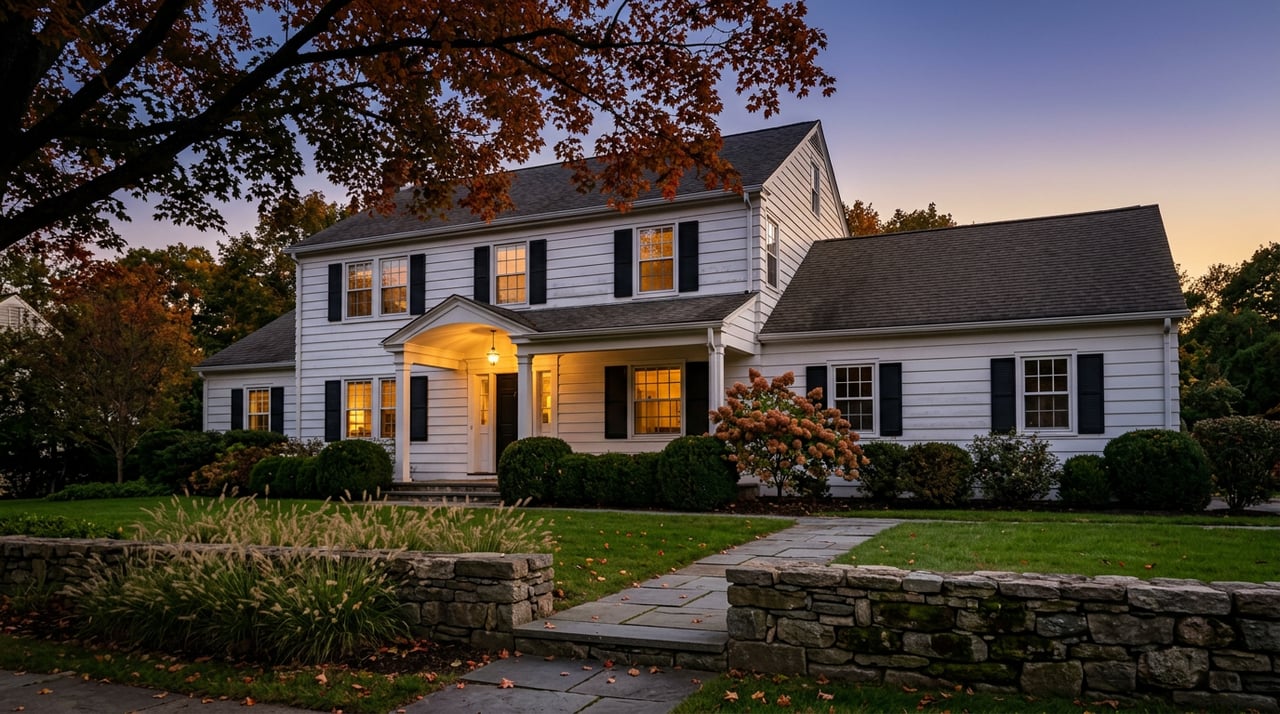
Newtown’s 2024 draft Plan of Conservation and Development says the housing stock is mainly single-family detached homes. In its 2020 inventory, detached homes accounted for 8,331 units, or 88.2% of total housing units. Attached and 2- to 4-unit homes made up 6.6%, while multifamily or other units accounted for 5.2%.
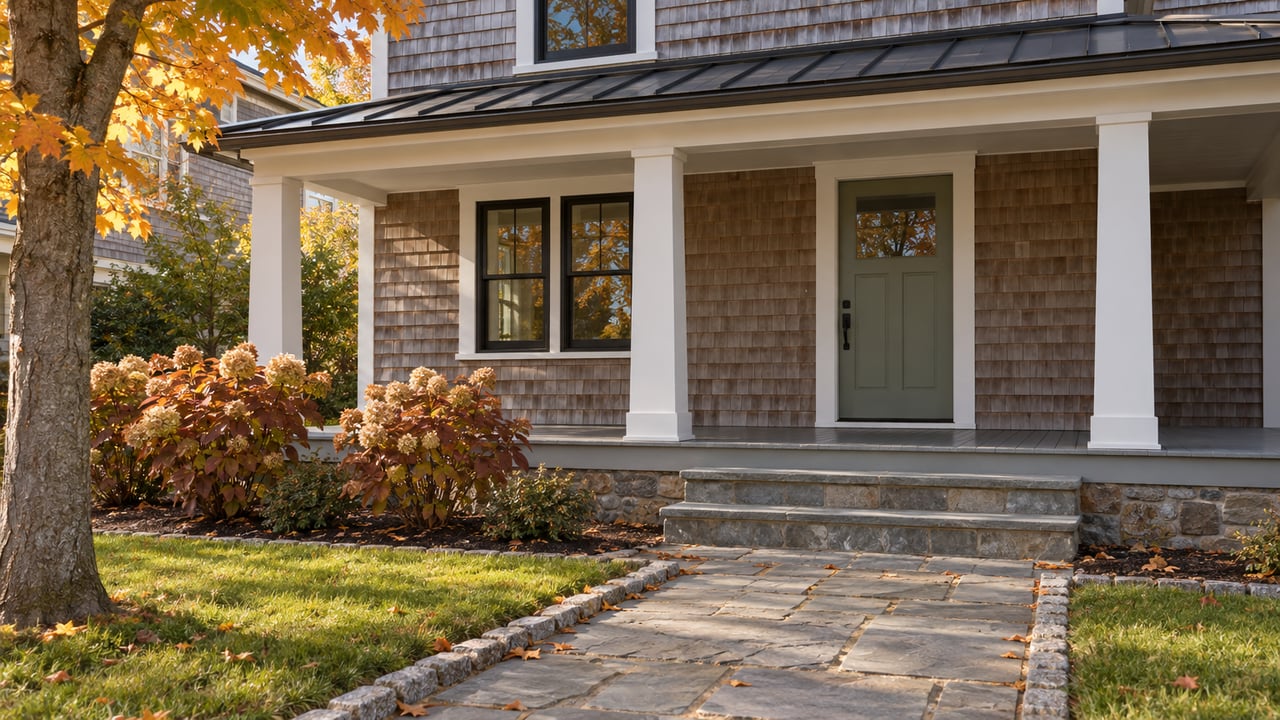
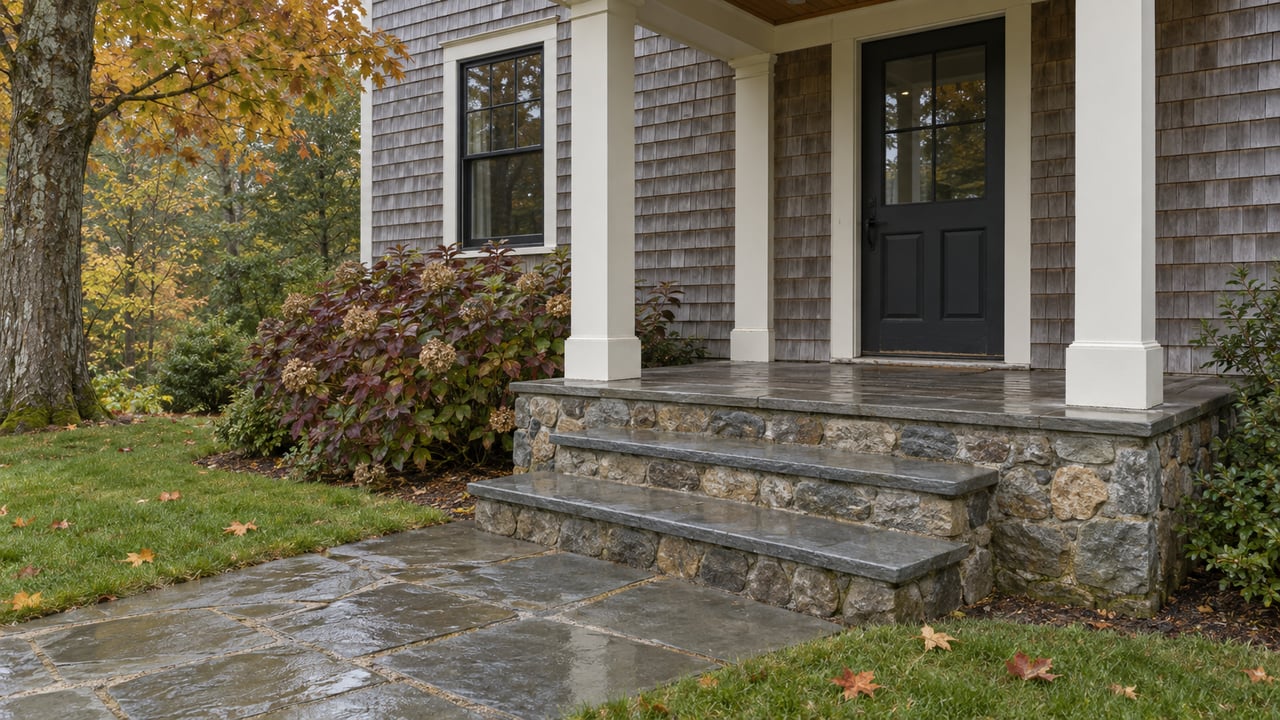
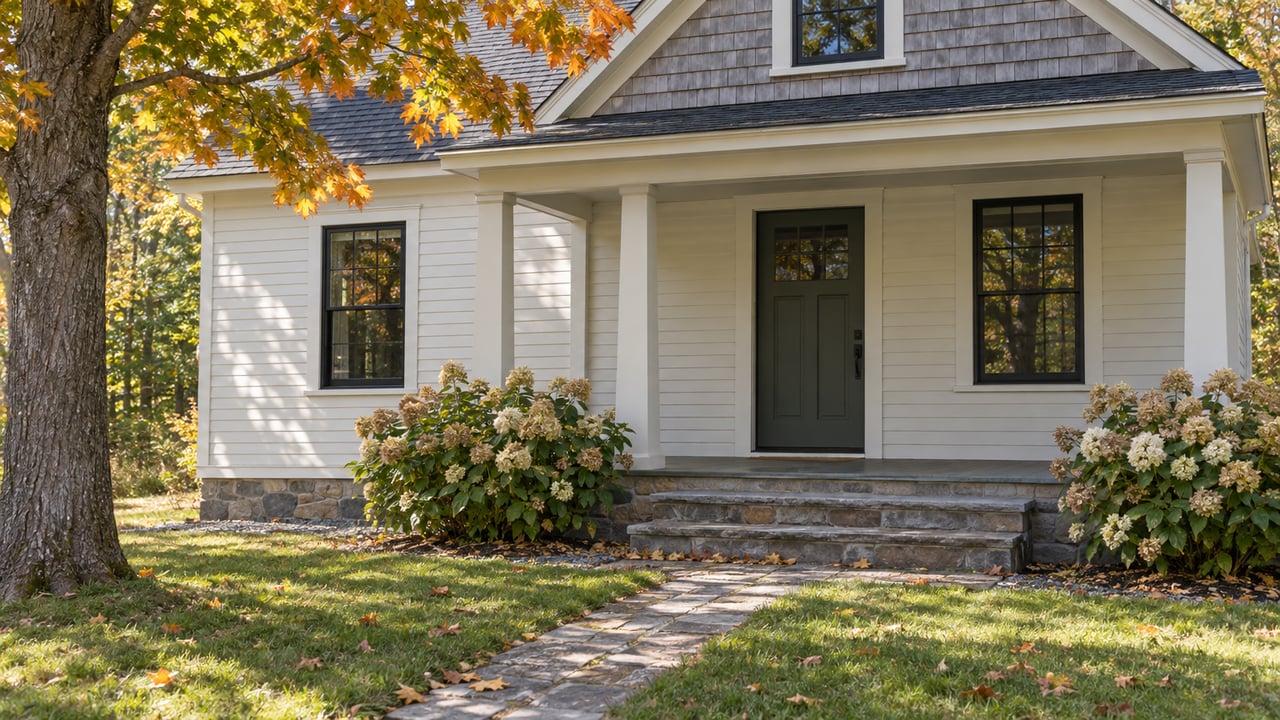
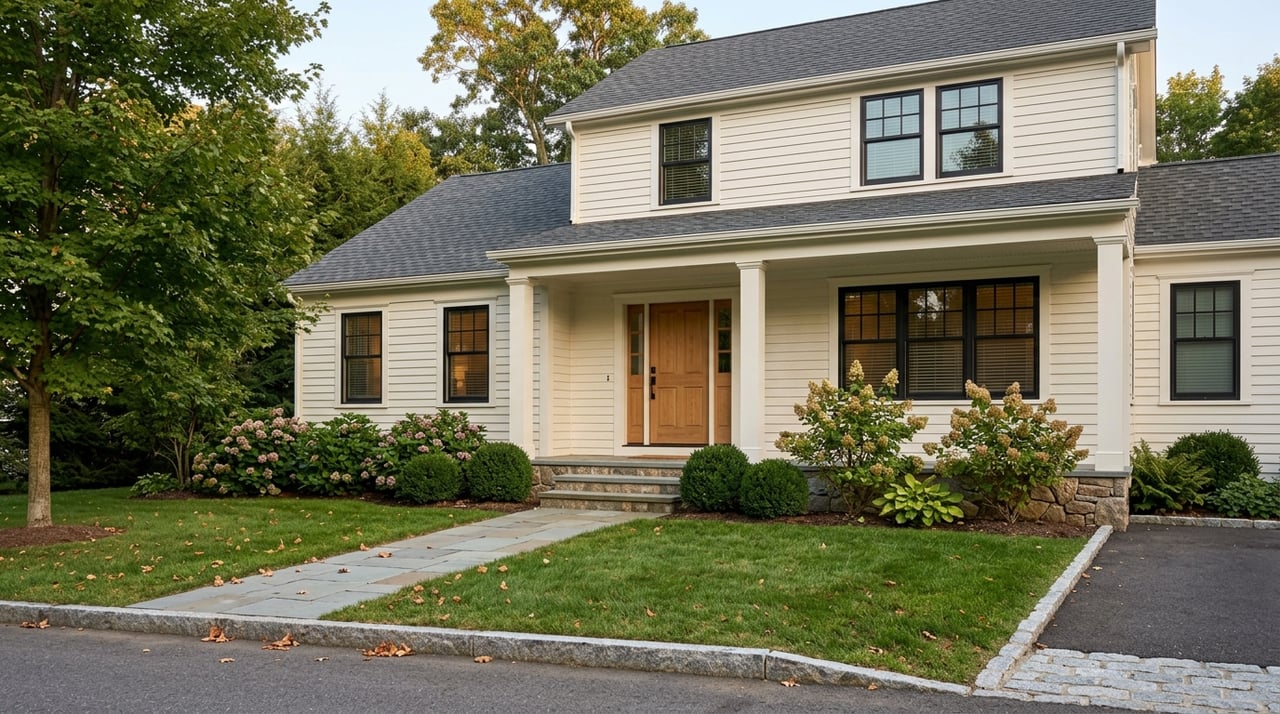
That means many buyers will mainly be choosing among detached homes rather than large numbers of condos or multifamily buildings. If your wish list includes yard space, privacy, storage, or a quieter setting, Newtown’s housing pattern may line up well with what you want. If you prefer lower-maintenance living, options do exist, but they are a smaller share of the local market.
What Homebuyers Should Expect
For many buyers, Newtown offers a mix of space, recreation, and community connection. The town’s village structure, road network, and open-space focus create a lifestyle that feels more spread out and residential than urban. That can be a strong fit if you value room to breathe and do not mind relying on your car for much of your routine.
It is also a town where your exact location matters. Two homes with similar square footage may offer very different day-to-day convenience depending on access to I-84, village centers, parks, or the destinations you use most often. Looking beyond the house itself is often the key to making a smart decision here.
If you are a first-time buyer, a move-up buyer, or relocating into Fairfield County, Newtown can offer a lot of long-term appeal. The best next step is to match your budget and housing goals with the part of town that supports how you actually want to live.
If you are exploring Newtown and want practical guidance on which areas, home styles, and price points may fit your goals, Gregg Leonard can help you make sense of the options with local insight and a calm, realistic approach.
FAQs
What is everyday commuting like in Newtown, CT?
- Newtown is largely car-oriented, with major access from I-84, U.S. Routes 6 and 302, and Connecticut Routes 25 and 34, and the mean travel time to work is 34.2 minutes.
What kind of housing is most common in Newtown, CT?
- Newtown’s housing stock is primarily single-family detached homes, which made up 88.2% of total housing units in the town’s 2020 inventory.
What village areas should homebuyers know in Newtown, CT?
- The town includes the Borough, Sandy Hook, Hawleyville, Botsford, and Dodgingtown, with the Borough and Sandy Hook standing out as important village centers.
What outdoor amenities can homebuyers expect in Newtown, CT?
- Newtown offers extensive open space and a wide park system that includes places like Dickinson Memorial Park, Treadwell Memorial Park, Lake Lillinonah Park, Pole Bridge Preserve, and Fairfield Hills recreation areas.
Is Newtown, CT more of a rental or ownership market?
- Newtown is primarily an ownership market, with a 90.0% owner-occupied housing rate according to Census QuickFacts.