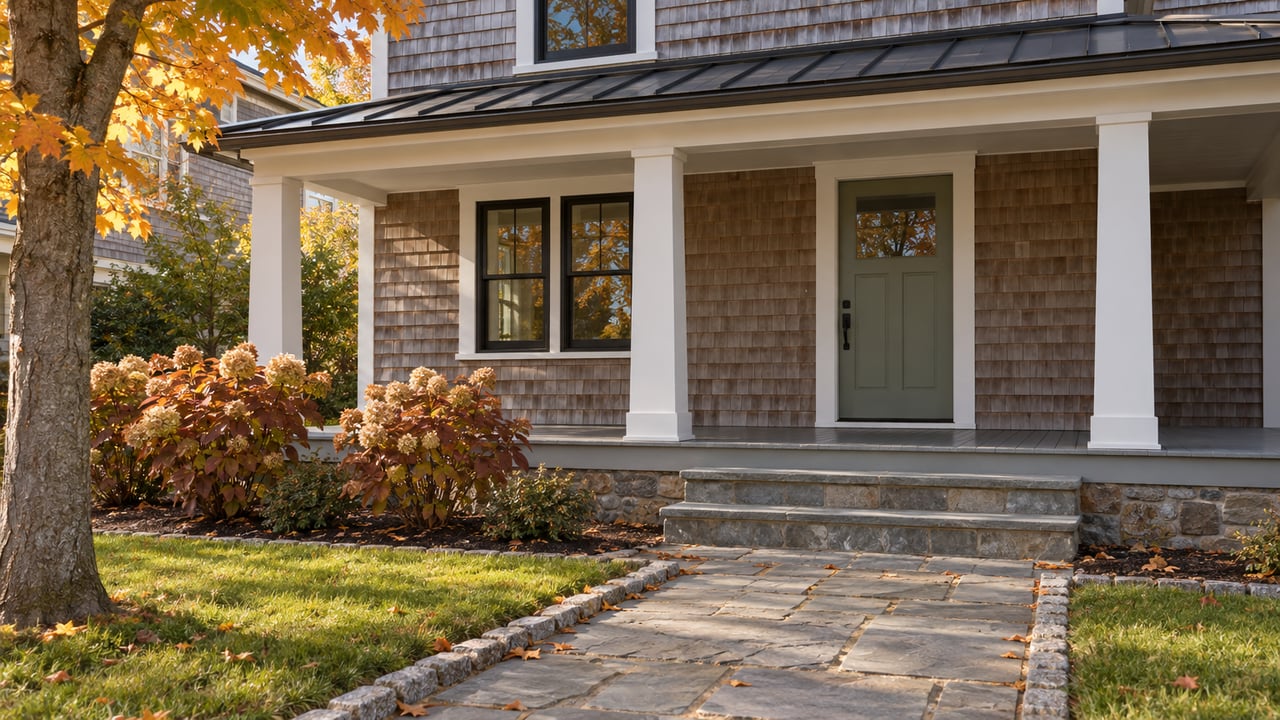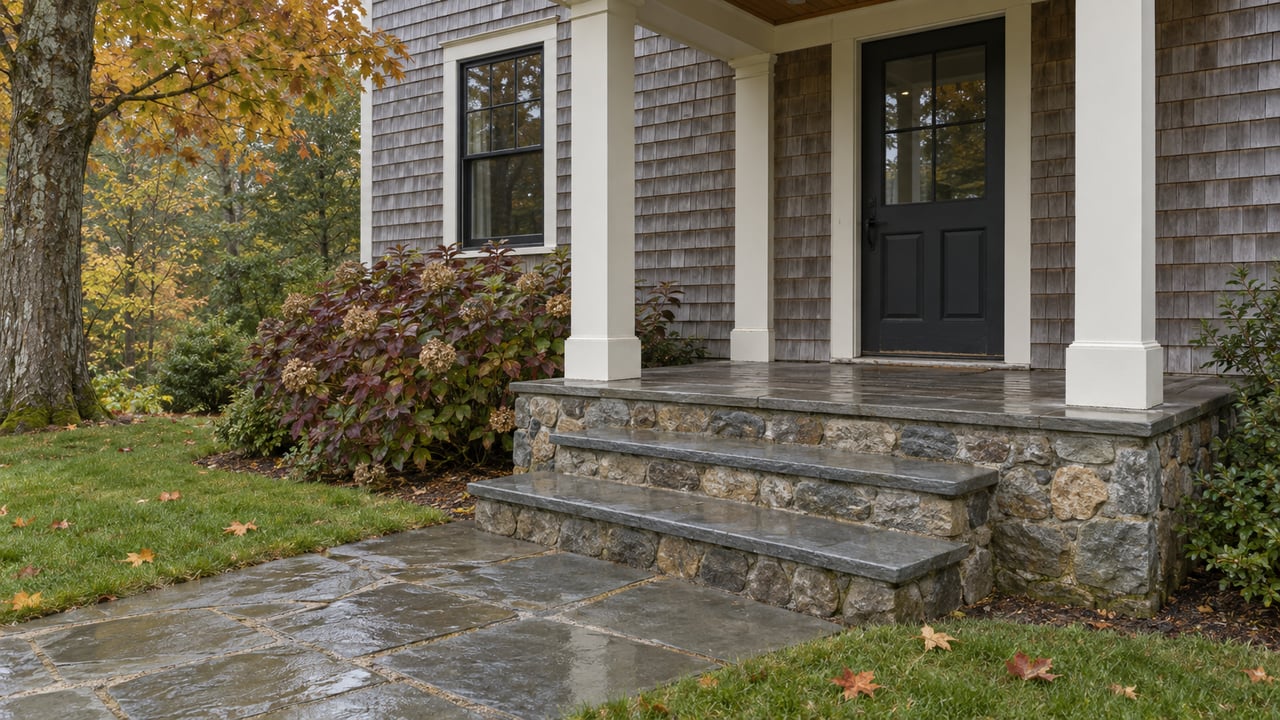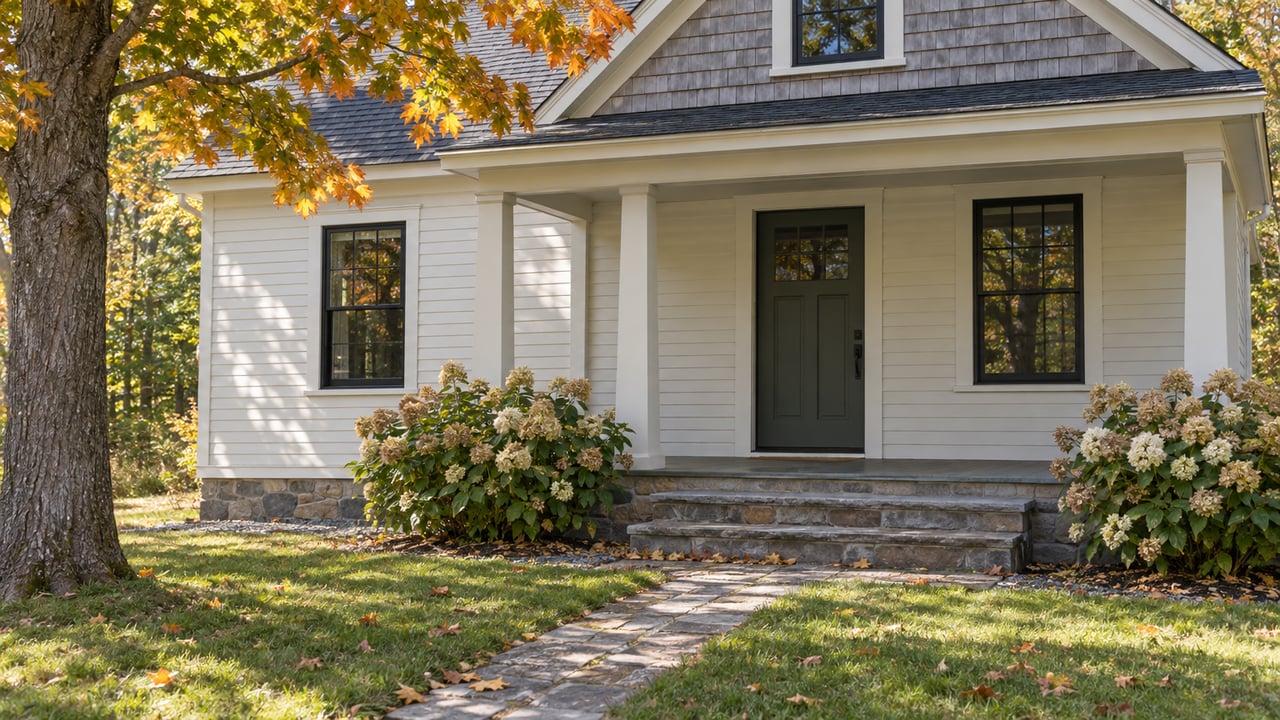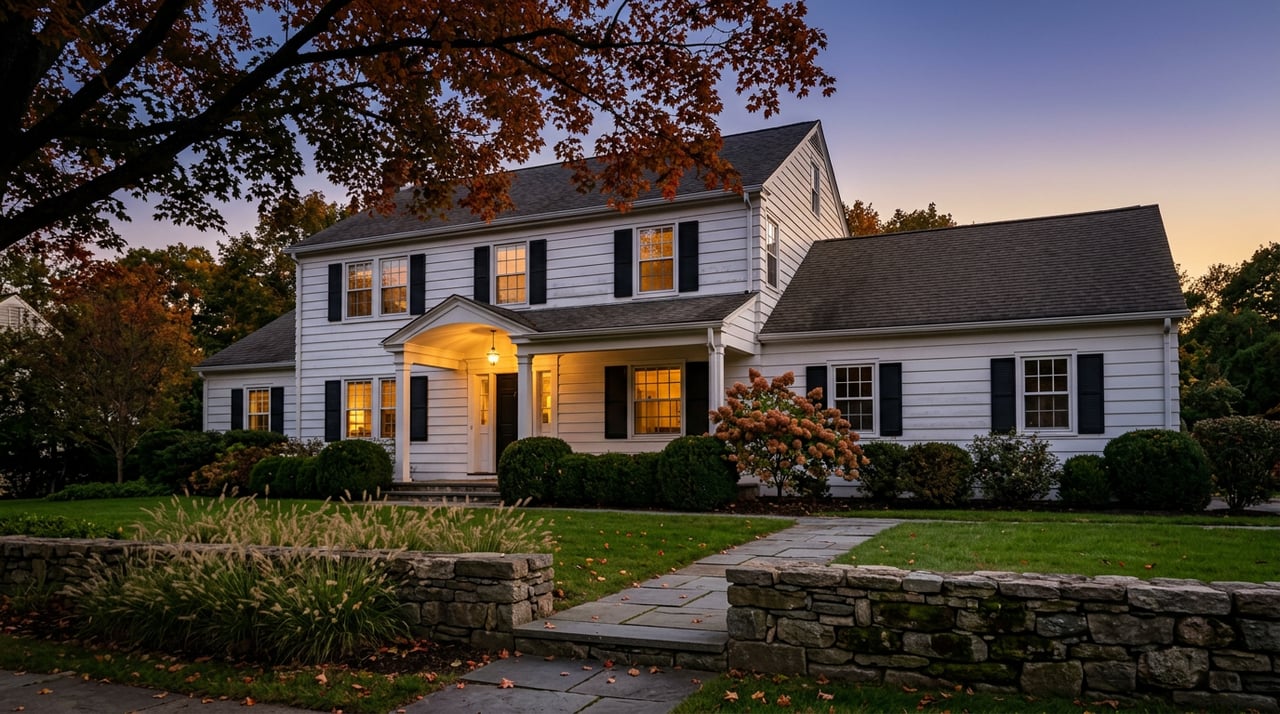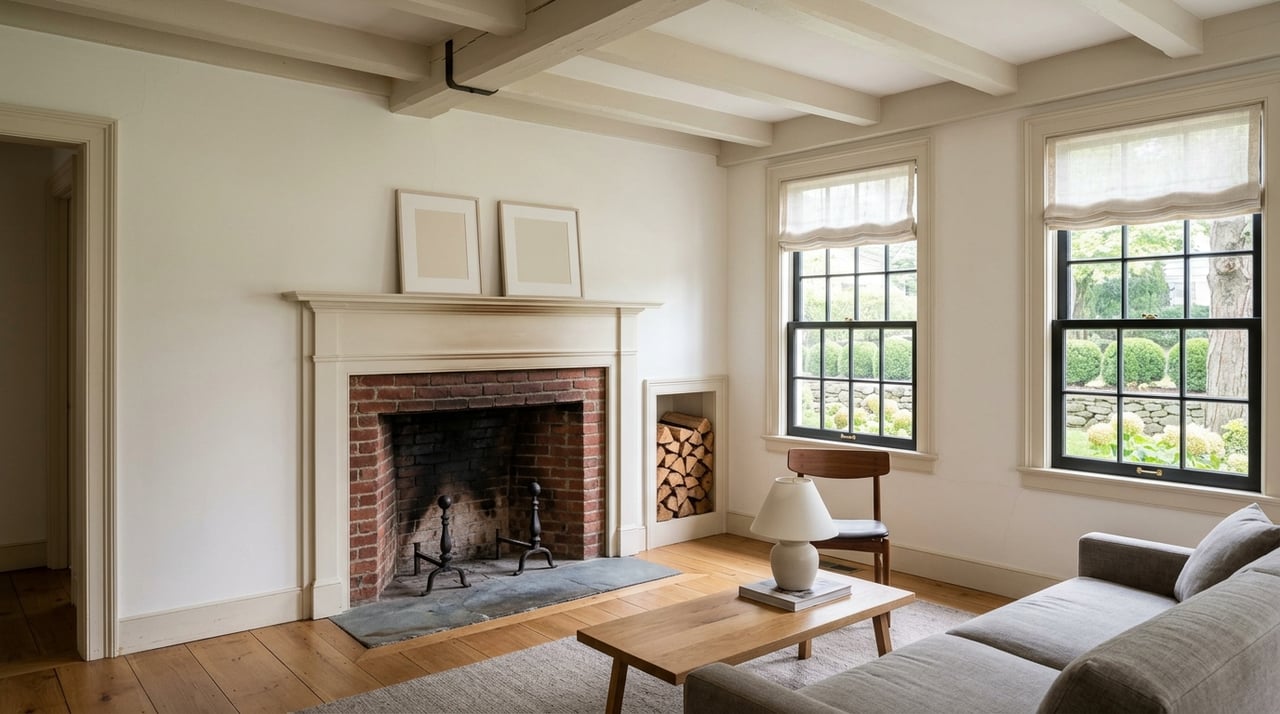
If you are drawn to places with real history, Woodbury has a way of getting your attention fast. Between its older homes, long Main Street, and steady village rhythm, this Litchfield County town offers a mix of character and day-to-day livability that can be hard to find. If you are thinking about buying here, it helps to understand both the charm and the practical details. Let’s dive in.
Why Woodbury Stands Out
Woodbury sits in Litchfield County and uses ZIP code 06798. The town describes itself as being in the scenic hills of the county and as the Antiques Capital of Connecticut, which gives you a quick sense of its identity.
It is not a place that feels built all at once. Woodbury was first settled in 1672 to 1673, and the town’s own history says its old houses and shaded streets reflect slow, orderly growth over more than two and a half centuries. That long timeline still shows up clearly in the built environment.
For many buyers, that is the appeal. You are not just looking at homes here. You are seeing layers of local history, from colonial-era buildings to later village growth and 20th-century residential expansion.
What Historic Homes Look Like Here
Woodbury’s housing stock is best understood as layered rather than uniform. The clearest recurring styles identified in the town history are colonial-era houses, Greek Revival houses, and Victorian houses.
The town notes a mid-19th-century building boom that brought Greek Revival-style homes. Later in the 19th century, Victorian mansions and cottages were added among earlier colonial houses, creating a streetscape with visible variety rather than one dominant style.
That pattern continued as neighborhoods grew around Washington Road, Park Road, Mountain Road, Spring Street, and Pleasant Street from the mid-1870s through the 1920s. By the late 19th century, Main Street was fully developed from South Pomperaug Avenue north to Quassuk Road, with civic activity concentrated at the south end and commercial and residential growth extending north.
The result is a town where older homes do not all look the same. You may see a simple early house, a formal Greek Revival, or a later Victorian within the same general area. That variety can be a big plus if you want character without feeling boxed into one architectural type.
A Living Example of Early Woodbury
One useful point of reference is the Glebe House Museum in the village center. The town describes it as a simple but elegant 18th-century farmhouse, and it offers a clear example of Woodbury’s colonial fabric.
Even if you are not shopping for a museum-quality home, places like this help you understand the scale, materials, and understated style that shaped the town’s early architecture. That context can make it easier to recognize what gives Woodbury homes their distinctive feel.
How Village Life Shapes Daily Living
Woodbury is not only about old houses. It is also about how those homes connect to everyday life in and around the village center.
Main Street plays a major role in that experience. Town materials highlight community activity along Main Street South, including arts programming that runs from the Woodbury Public Library to Studio Hill Gallery and selected historic sites. That kind of programming supports a village atmosphere that feels active without being rushed.
Local preservation and civic groups also help maintain that character. The Old Woodbury Historical Society preserves the Hurd House, the schoolhouse on Main Street South, and the Archives Building on Main Street, while the Pomperaug Garden Club maintains plantings at Washington Park, the North Green, the Cannon Green, several town buildings, the post office, and the entrance to Orenaug Park.
Woodbury’s antique trade is also part of day-to-day identity, not just a tourism label. The town notes that many antique dealers opened in historic homes on and around Main Street more than 50 years ago, which ties commerce directly into the town’s historic setting.
Village Character Meets Later Growth
A common question is whether Woodbury feels more like a village or more like a suburb. The practical answer is that it blends both.
Historically, Woodbury began as a colonial settlement and agricultural trade center. The town later saw industrial-era housing growth in factory villages off Pomperaug, Hotchkissville, and Minortown, and it gradually shifted from rural to suburban after the 1950s.
That matters if you are home shopping because it helps explain the range of settings you may encounter. Some parts of town reflect a classic village-center pattern, while others reflect later residential growth and a more suburban rhythm.
For buyers, this mix can widen your options. You may be looking for a home close to the village core, or you may prefer a setting shaped by the town’s later expansion. Woodbury’s long development history supports both.
What Buyers Should Know About Historic Districts
If you are considering an older home in Woodbury, one of the most important practical questions is whether the property sits in a local historic district. Woodbury has two Historic Districts, created in 1969, covering a 200-foot corridor on both sides of Main Street and some side streets.
According to the Historic District Commission, these districts include examples of architecture from the 17th through the 20th centuries. That broad range helps preserve the town’s visual continuity, but it can also affect what you can do to the outside of a home.
If a property is in one of these districts, exterior changes and demolition may require review by the Historic District Commission through a Certificate of Appropriateness. The town’s regulations exempt ordinary maintenance or repair only when the work does not change the appearance or design.
That does not mean owning a historic-district property is a bad fit. It simply means you should go in with clear expectations about approvals, timing, and design review.
Permit Timing Matters
Woodbury’s Building Official states that permits for structural, electrical, plumbing, and mechanical work require prior approvals from Zoning, Historic, Sanitation, and Public Works. For a buyer planning updates, that can add lead time and coordination before work begins.
This is one of those details that is easy to overlook when you fall in love with an older home. The house may be a great fit, but your renovation timeline may need more planning than it would in a newer or less regulated setting.
A calm, informed approach is especially important here. If you know early on what the town review process may involve, you can budget your time and expectations more realistically.
Smart Steps When Buying an Older Home
Older homes can be deeply appealing, but they also deserve careful due diligence. In Woodbury, where many homes reflect long stretches of local history, that is especially true.
One key step is scheduling an independent home inspection as soon as possible. That gives you time to understand the home’s condition, address issues, or reconsider the purchase if major defects come to light.
If the home was built before 1978, lead-based paint is more likely to be present. Federal law requires disclosure of known lead-based paint hazards before the sale or lease of most pre-1978 housing, and renovation work that disturbs lead paint must follow lead-safe practices.
Here are a few practical questions to ask when evaluating an older Woodbury home:
- Is the property in one of the local historic districts?
- Are there planned exterior changes that may need commission review?
- What permits and town approvals may be required for the work you have in mind?
- Has the home had recent updates to major systems?
- If the home predates 1978, what lead-related disclosures have been provided?
These questions do not take away from the romance of an older property. They simply help you match the home’s character with a smart buying strategy.
Everyday Context for Buyers
Woodbury’s appeal is not only architectural. It also comes from how people live there now.
Census QuickFacts estimates the town’s population at 10,005 as of July 2025. The same source reports a median household income of $129,427, with 28.9% of residents age 65 and older.
QuickFacts also reports median selected monthly owner costs of $2,612 with a mortgage and $1,337 without a mortgage, along with median gross rent of $1,563. In addition, 90.3% of residents were living in the same house one year earlier, and the mean travel time to work was 34.8 minutes.
Those figures do not tell the whole story, but they do add context. Woodbury appears to be a place with a stable residential base, a mature population mix, and a housing environment where buyers should look at both lifestyle fit and ongoing ownership costs.
Is Woodbury Right for You?
Woodbury can be a strong match if you value architectural character, a recognizable village center, and a town identity shaped by preservation, antiques, and community activity. Its housing stock is varied, its history is visible, and its village life remains part of the daily experience.
At the same time, buying here often calls for a little more homework, especially if you are considering an older home or a property in a historic district. Inspections, permit timing, and exterior review rules can all play a bigger role than they might in a newer housing market.
That balance is what makes Woodbury distinctive. You get beauty and depth, but you also want to move forward with clear eyes and solid local guidance.
If you are exploring Woodbury and want practical advice on older homes, village locations, or how to evaluate a property with confidence, Gregg Leonard is here to help you make a smart move.
FAQs
What architectural styles are most common in Woodbury, CT?
- Woodbury’s town history most clearly points to colonial-era houses, Greek Revival houses, and Victorian houses as recurring styles.
What should buyers know about Woodbury, CT historic districts?
- Woodbury has two local historic districts along Main Street and some side streets, and exterior changes may require Historic District Commission review through a Certificate of Appropriateness.
Does Woodbury, CT feel more like a village or a suburb?
- Woodbury blends both, with a historic village-center character and later residential growth that expanded after the 1950s.
What is village life like in Woodbury, CT?
- Village life in Woodbury includes Main Street activity, arts programming, antique businesses, historic sites, and landscape features maintained by local civic groups.
What should buyers check before purchasing an older home in Woodbury, CT?
- Buyers should confirm whether the property is in a historic district, review possible permit and approval requirements, schedule an independent inspection early, and ask about lead-related disclosures for pre-1978 homes.
Are schools located in Woodbury, CT?
- Yes. Woodbury is part of Region 14 Schools, and Woodbury Middle School, Mitchell Elementary School, and Nonnewaug High School are located in town.