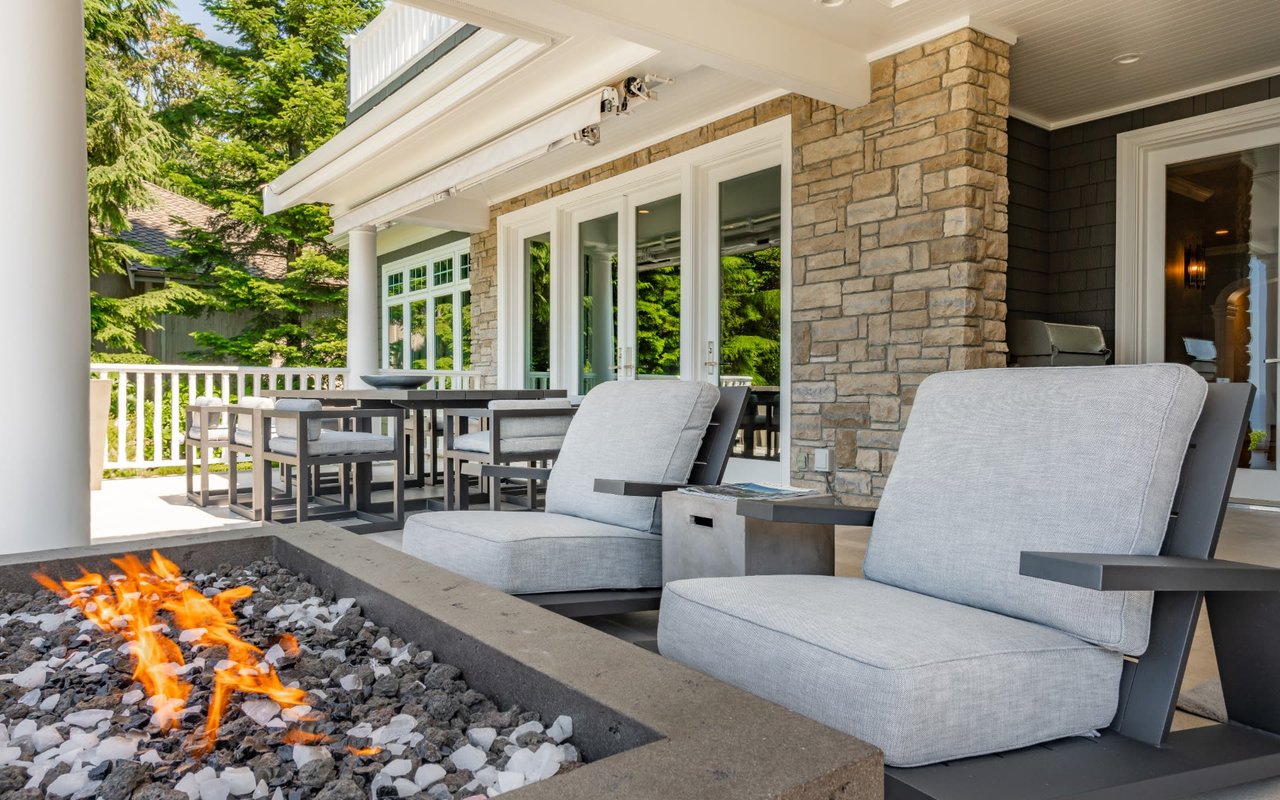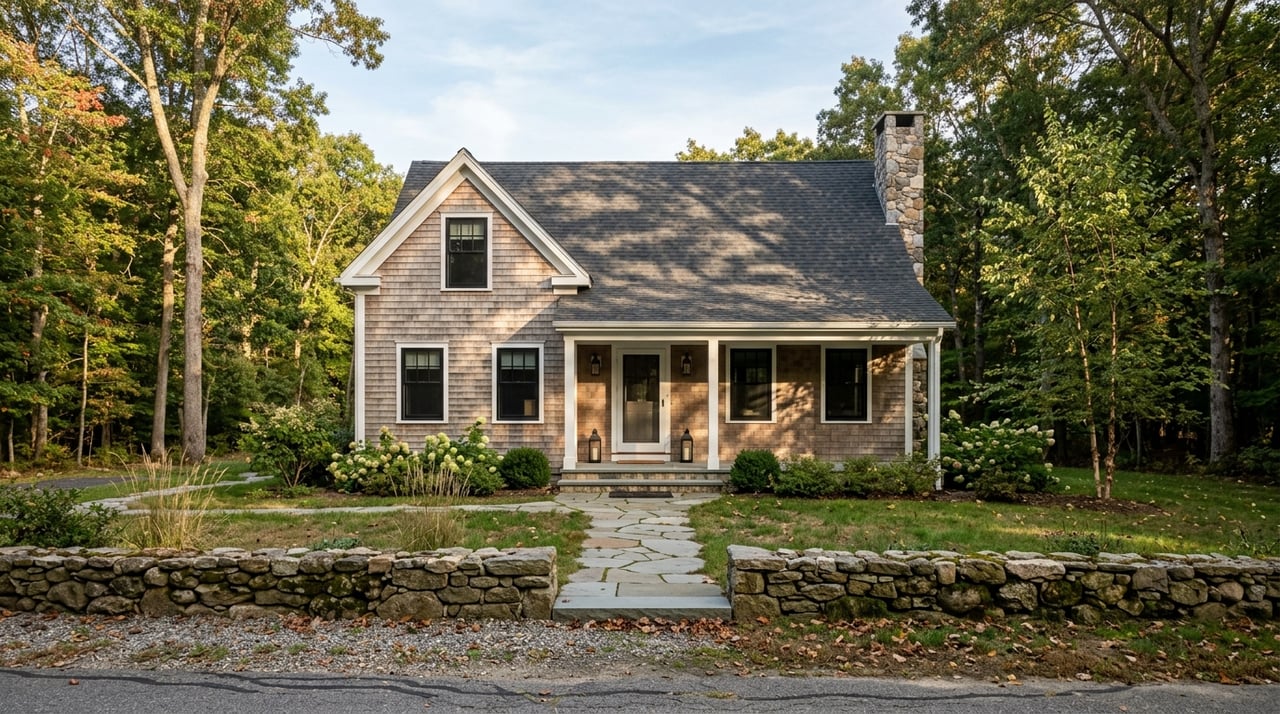
If you’re looking for a Fairfield County town with more space, quieter surroundings, and a strong sense of preservation, Easton may stand out right away. For many buyers, the appeal is not just the homes themselves, but the lifestyle that comes with open land, working farms, and a community-centered pace. If you’re wondering what daily life really feels like here, this guide will walk you through the housing, amenities, outdoor access, and commuting picture so you can decide whether Easton is the right fit for you. Let’s dive in.
Easton at a glance
Easton is a small Connecticut town with about 7,602 residents spread across 27 square miles. The town reports a median age of 48 and a median household income of $165,469, which helps paint a picture of an established residential community.
What makes Easton feel different from many nearby towns is its strong preservation focus. The town describes itself as home to more than 20 working farms, more than one-third preserved land, and four reservoirs within its borders. Local planning policy is also aimed at environmental protection and maintaining Easton’s low-density residential character.
The overall feel of living in Easton
Living in Easton tends to feel quieter and more residential than living in a town with a busier downtown or larger commercial center. The setting is shaped by open space, local roads, civic resources, and a pace that many people find calmer than more built-up suburban areas.
You may also notice a strong volunteer spirit. The town says its boards and commissions depend heavily on volunteers, which speaks to how much community participation helps shape local life. If you value a town where residents are involved and local identity matters, that can be an important part of Easton’s appeal.
Easton housing is mostly single-family
If you are thinking about buying in Easton, the housing mix is one of the first things to understand. Official data shows that 2,673 of 2,741 housing units are 1-unit detached homes, which means about 97.5% of the inventory is single-family.
That has a direct effect on what you are likely to find on the market. In Easton, you should generally expect detached homes rather than apartment-style or mixed-use options. The overall built environment is residential first, with far less emphasis on dense development.
What the housing stock means for buyers
Easton’s homes also tend to be older. Nearly half of all housing units were built before 1970, while only 4.9% were built in 2010 or later.
For you as a buyer, that can mean more character, more established lots, and mature landscaping. It can also mean you may want to look closely at updates, maintenance history, and how a home has been improved over time. If you’re comparing Easton with towns that have more recent development, this is an important difference.
Home values in Easton
The ACS-based town profile lists a median home value of $642,400. That number does not define every property, but it does offer a useful benchmark for understanding the town’s overall housing market.
For buyers relocating from a denser area, Easton may feel like a tradeoff between price, land, privacy, and home type. For sellers, the town’s distinct housing profile means presentation, pricing, and local market positioning matter.
Daily life centers on community amenities
Easton’s day-to-day amenities are more civic and community-oriented than retail-driven. Instead of a large commercial hub, the town’s daily rhythm is supported by public spaces, local programs, and community services.
The Easton Public Library is one example of that. The library offers books, programs, art exhibitions, and meeting space for community organizations, making it more than just a place to borrow materials.
The Senior Center is another important local resource. The town describes it as an educational, cultural, and social center for adults of all ages, especially retirees and seniors.
Support for families and residents
Town Social Services adds another layer to everyday life in Easton. The town describes itself as a supportive community and lists services such as before-and-after care, summer camps, and a food pantry.
That does not make Easton a fast-paced town, but it does suggest a place with practical local support systems. If you want a quieter setting without feeling disconnected from community resources, that balance may be appealing.
Farms are part of the lifestyle
In Easton, farms are not just a backdrop. They are part of the town’s identity and part of daily life.
The Agricultural Commission says the whole town functions like a farmers-market area and invites the public to shop at more than 20 working farms and farm stands. That gives Easton a distinct local character and helps explain why many people describe the town as feeling more rural and preservation-minded than suburban in the typical sense.
For you, that may mean seasonal shopping habits, scenic drives, and a stronger connection to local agriculture than you would find in many surrounding communities. It is one of the clearest lifestyle differences Easton offers.
Outdoor access is a major perk
If spending time outside matters to you, Easton has a lot to offer. The town says its parks and playgrounds are open from sunrise to sunset, and local facilities include Aspetuck Park, Dog Park, Helen Keller Campus, Old Staples, Morehouse Fields, and Veterans Park.
Beyond parks and fields, Easton also offers access to trails and open space. The town points to Centennial Watershed State Forest trails, Mill River Open Space, Paine Open Space, and Aspetuck Land Trust preserves.
What outdoor life looks like
These areas support activities such as hiking, dog walking, fishing, cross-country skiing, and snowshoeing where appropriate. That variety helps make outdoor recreation part of normal life rather than an occasional weekend plan.
If you picture yourself wanting more room to move, more natural scenery, and more ways to enjoy the outdoors close to home, Easton checks that box well. This is one of the town’s strongest lifestyle advantages.
Commuting from Easton
Easton is mainly a driving town. Local notices identify Route 58, Route 59, and Route 136 as important travel corridors, which reflects how residents typically move through town and connect to nearby areas.
For rail access, nearby Metro-North options include stations in Redding, Fairfield, Fairfield-Black Rock, and Westport. That means train service is available, but not usually as a walkable part of everyday life for most Easton residents.
The lifestyle tradeoff
This is where Easton becomes a very personal choice. If you want walkable convenience, a large town center, or direct in-town rail service, Easton may feel less convenient than some neighboring markets.
If your priority is space, privacy, open land, and a quieter residential setting, the tradeoff may be well worth it. Easton’s character is closely tied to that balance.
Who Easton may fit best
Easton may be a strong match if you are looking for a single-family home in a lower-density setting and you value preserved land, outdoor access, and a more peaceful day-to-day environment. It can also appeal if you prefer a town where civic resources, farms, and community involvement help shape local life.
For relocation buyers, Easton is often easier to understand once you stop comparing it to a walkable suburb and start viewing it as a preservation-oriented residential town. That shift in expectations usually makes the lifestyle clearer.
For sellers, Easton’s appeal often comes down to showcasing what buyers come here for in the first place. Space, setting, land, and the overall feel of the property tend to matter just as much as square footage.
If you are considering a move to Easton or trying to decide how it compares with other Fairfield County towns, working with someone who understands the differences from one community to the next can make the process much easier. If you want practical guidance on Easton homes and the surrounding market, connect with Gregg Leonard.
FAQs
What is Easton, Connecticut like for everyday living?
- Easton offers a quieter, residential lifestyle shaped by open space, preserved land, working farms, community resources, and local civic involvement.
What types of homes are most common in Easton, Connecticut?
- Easton is overwhelmingly a single-family market, with about 97.5% of its housing inventory made up of 1-unit detached homes.
What is the median home value in Easton, Connecticut?
- The ACS-based town profile lists Easton’s median home value at $642,400.
Is Easton, Connecticut a walkable commuter town?
- Easton functions more as a driving town, with key local road corridors and nearby Metro-North access in neighboring communities rather than walk-to-train living.
What outdoor amenities does Easton, Connecticut offer?
- Easton offers parks, fields, trails, and open-space areas that support hiking, dog walking, fishing, cross-country skiing, and snowshoeing where appropriate.
What makes Easton, Connecticut different from nearby towns?
- Easton stands out for its low-density residential character, preserved land, working farms, outdoor access, and quieter pace compared with more built-up suburban locations.